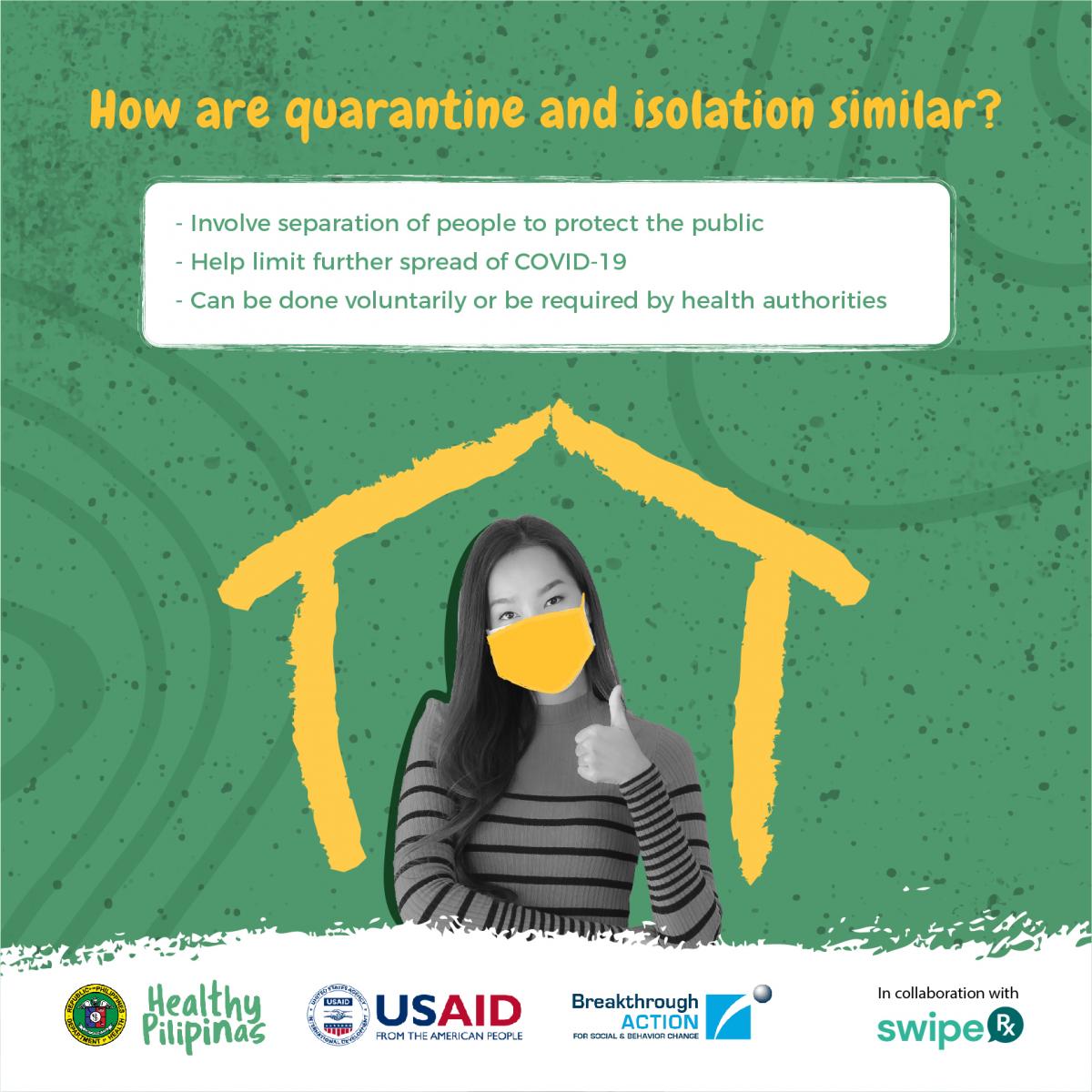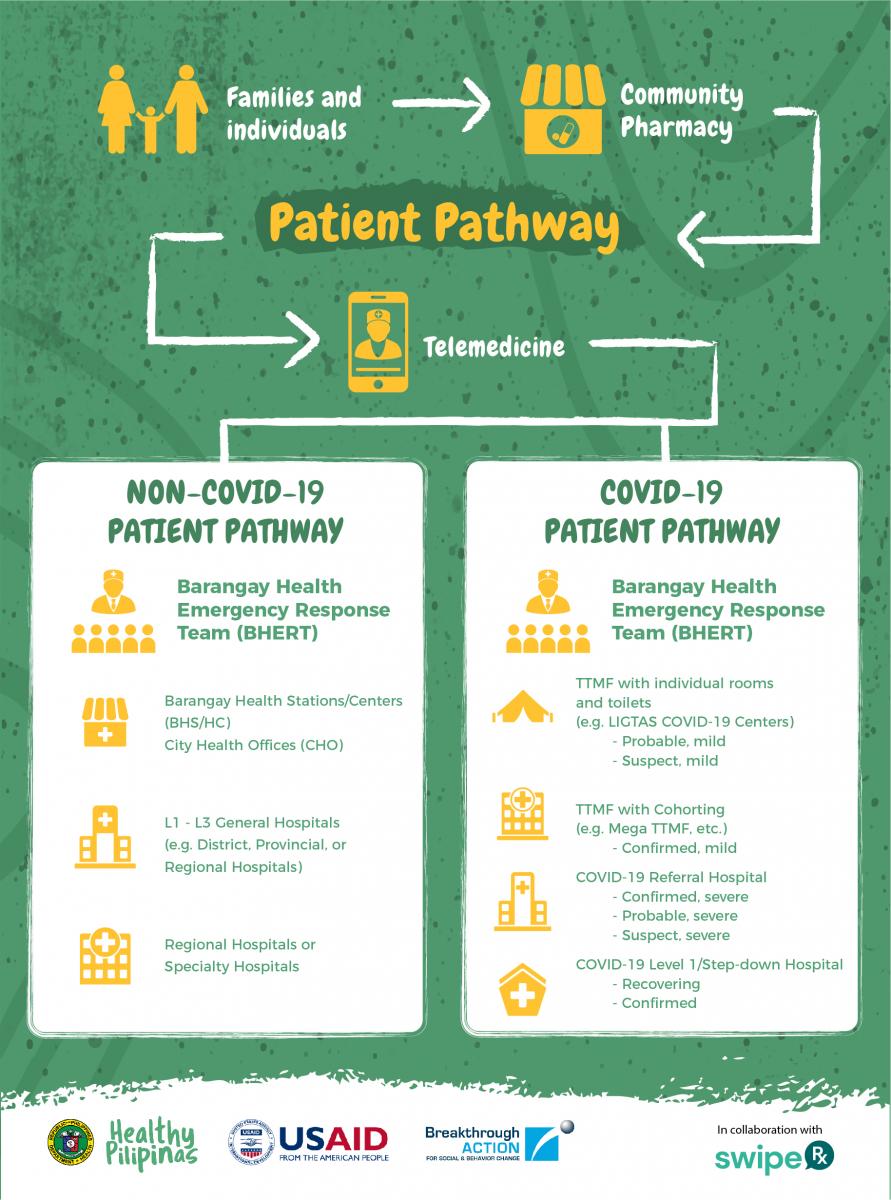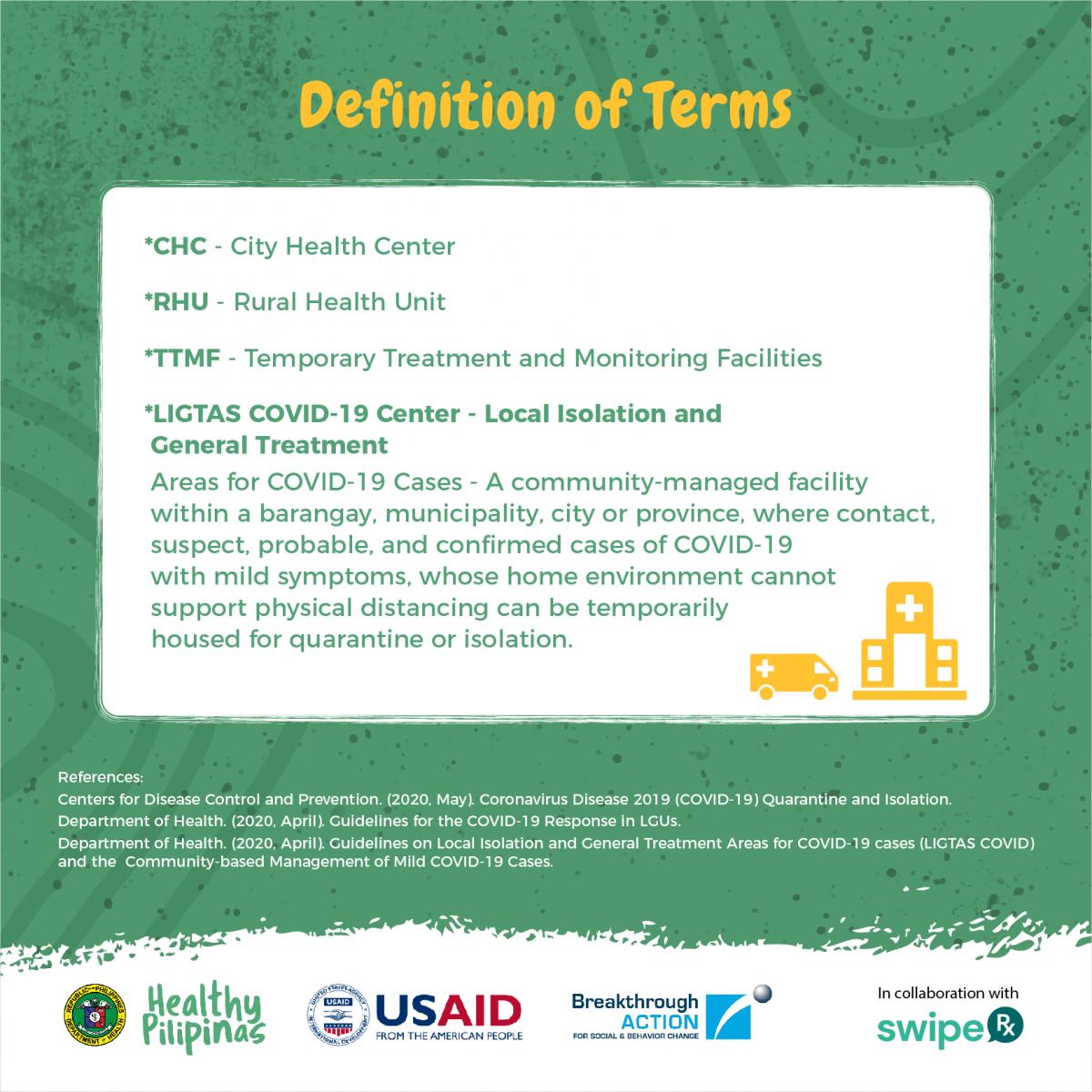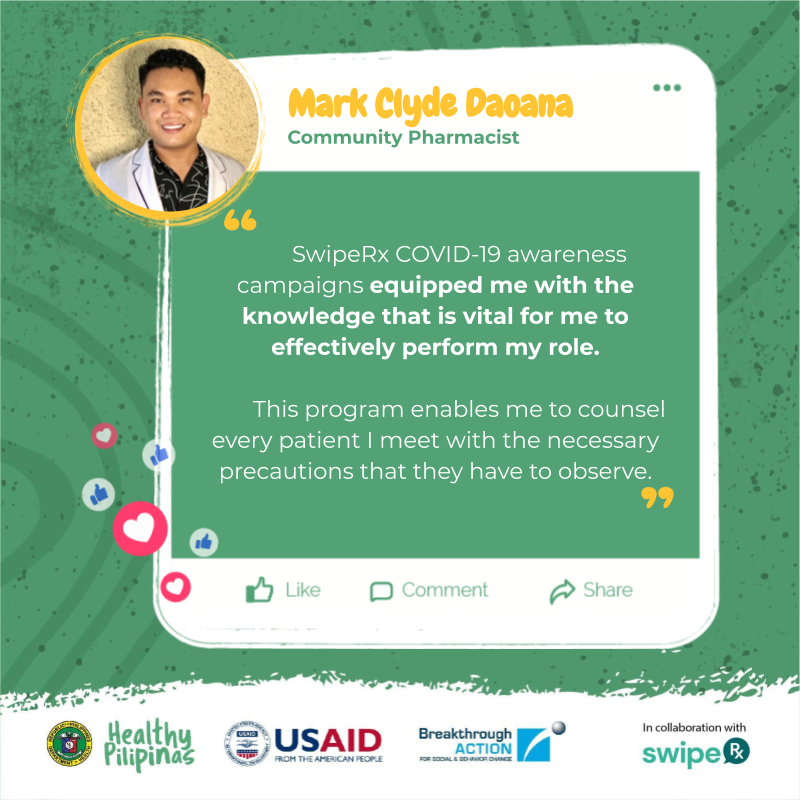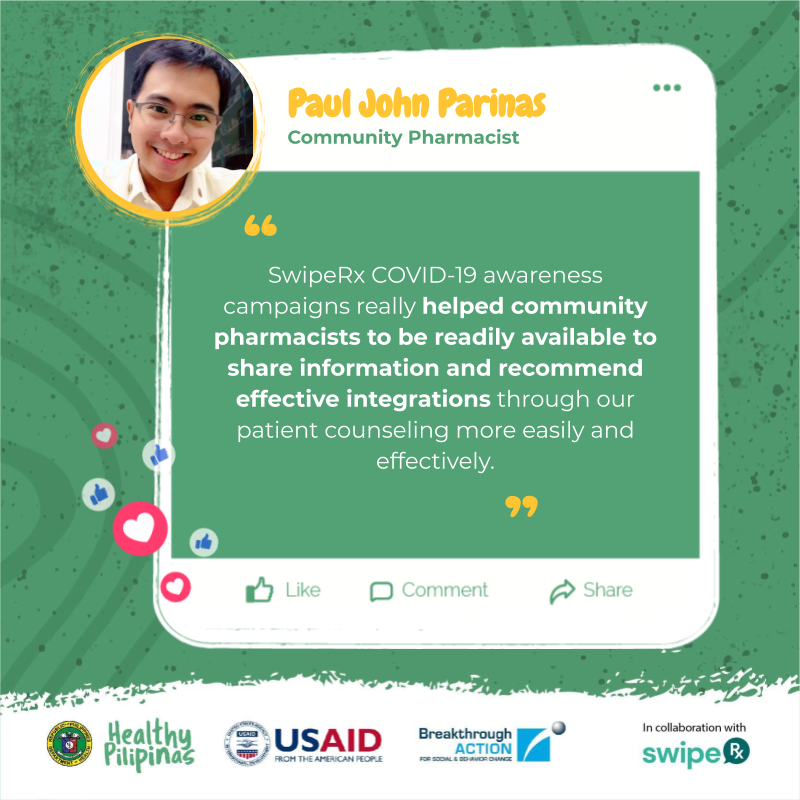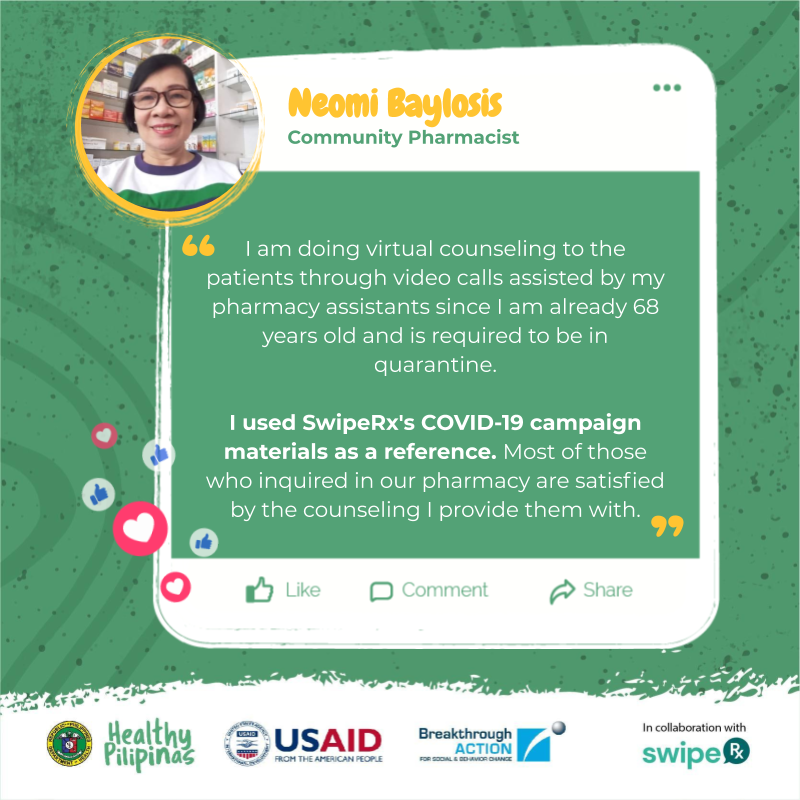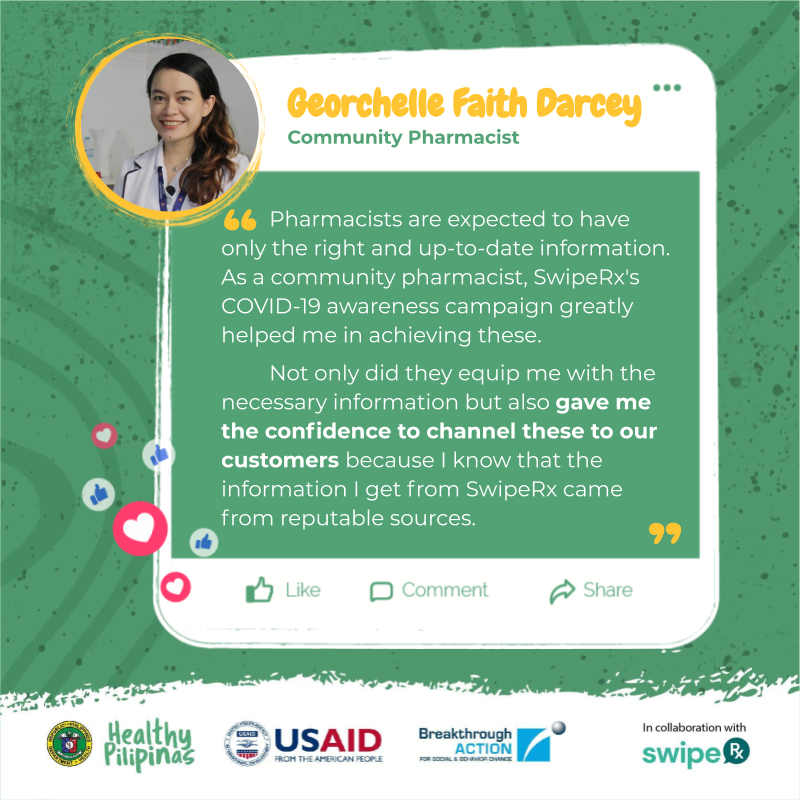
BIDA Solusyon sa COVID-19 Campaign Materials
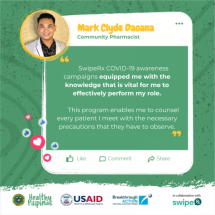
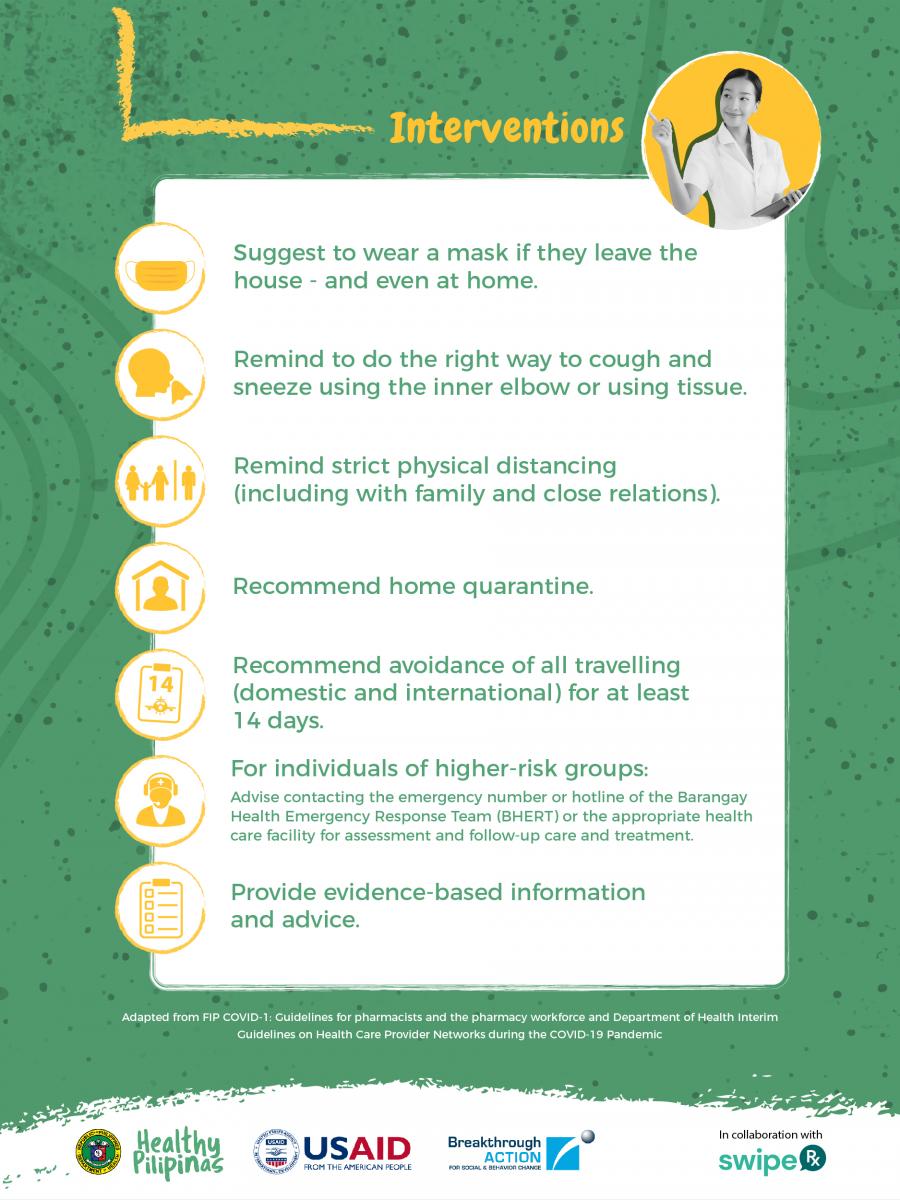
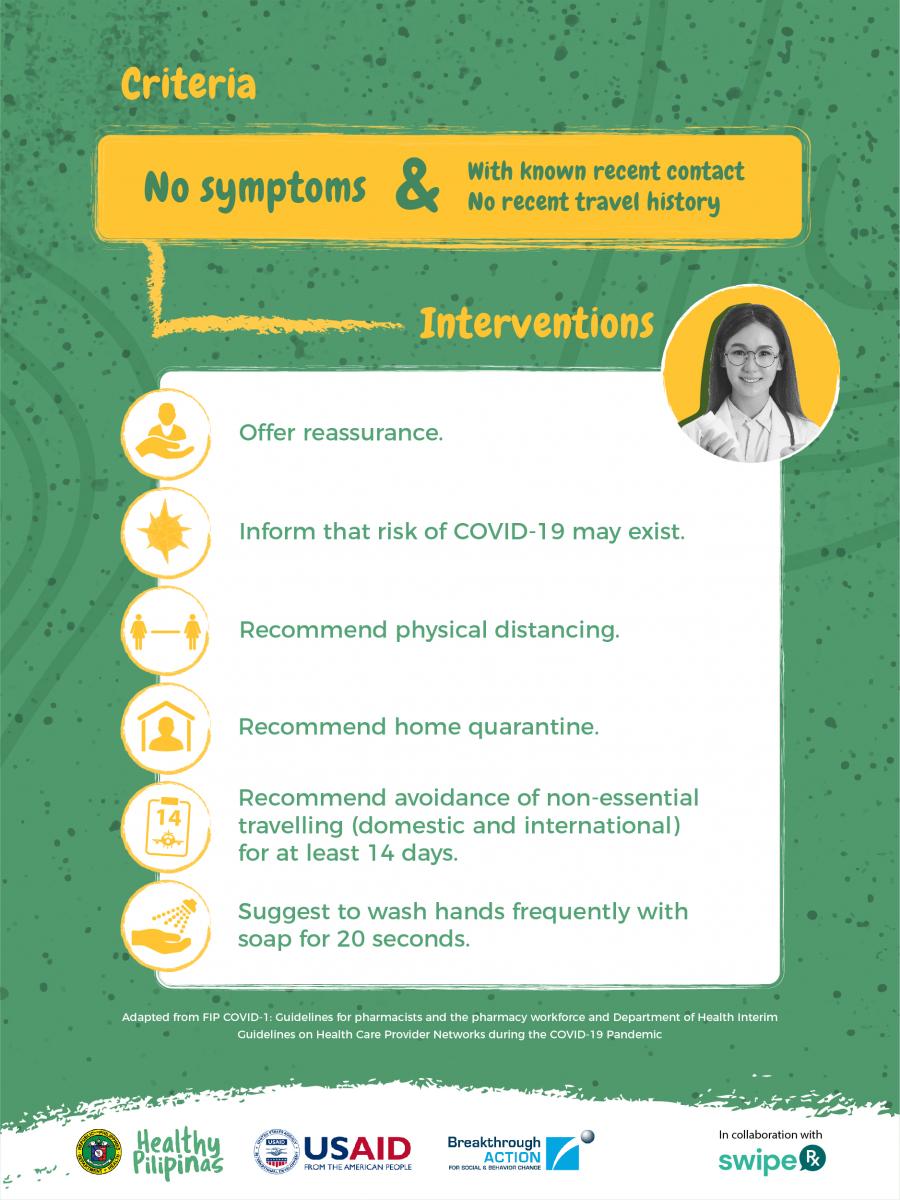
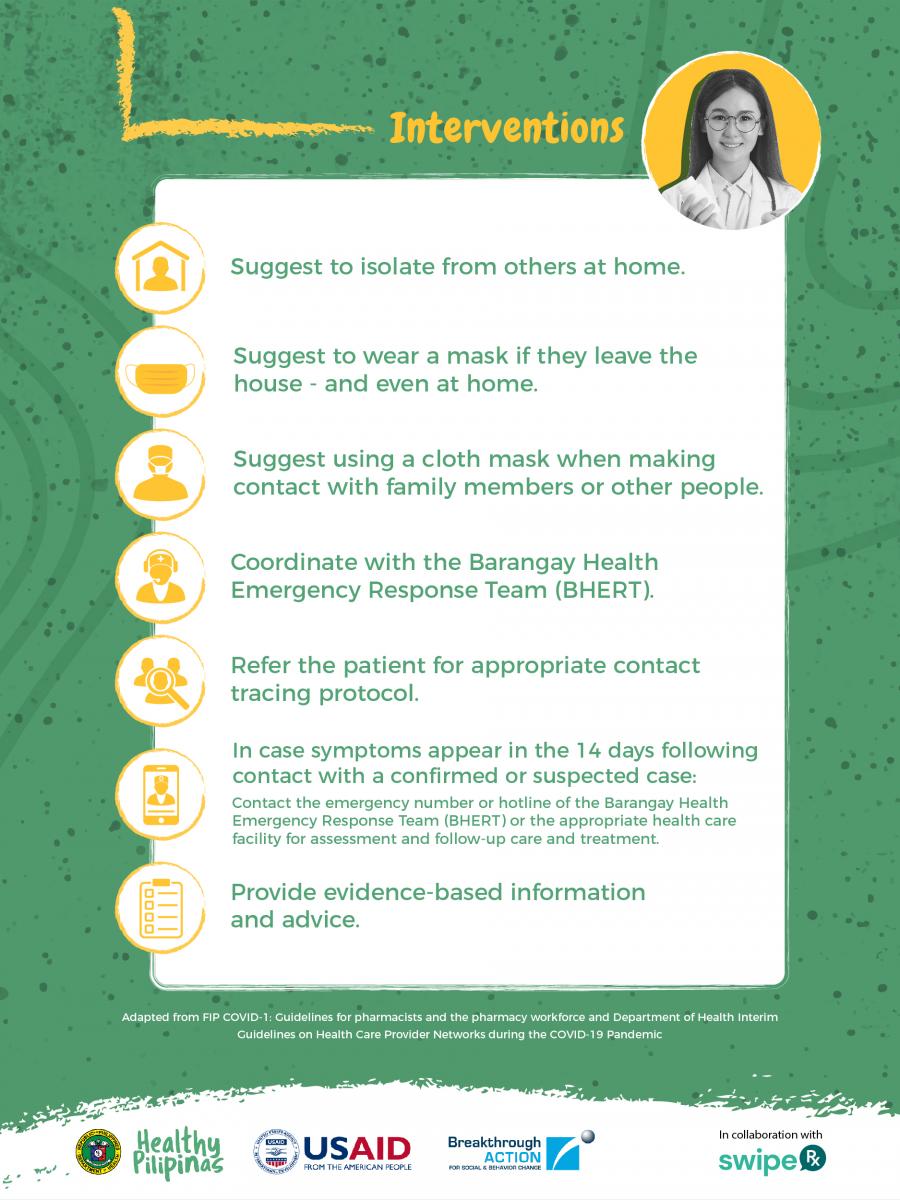
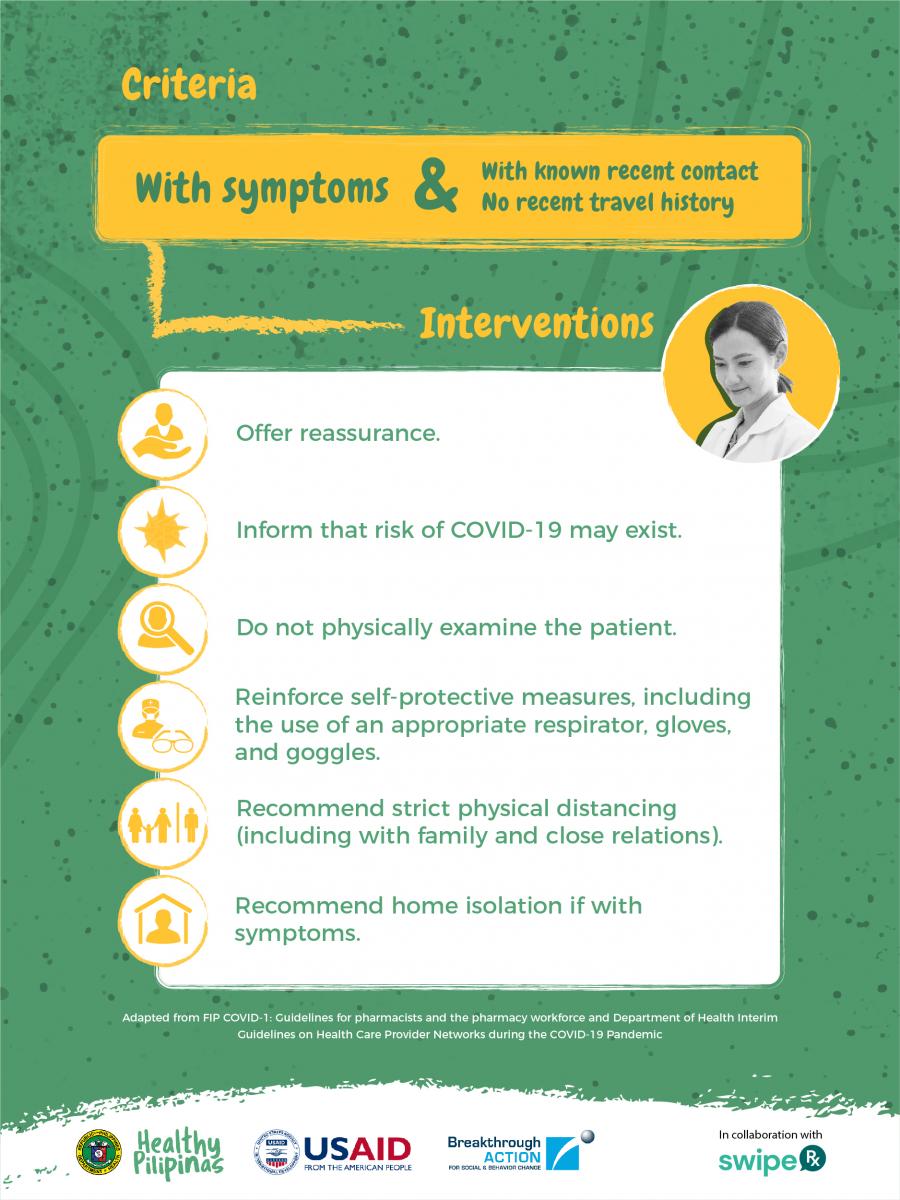
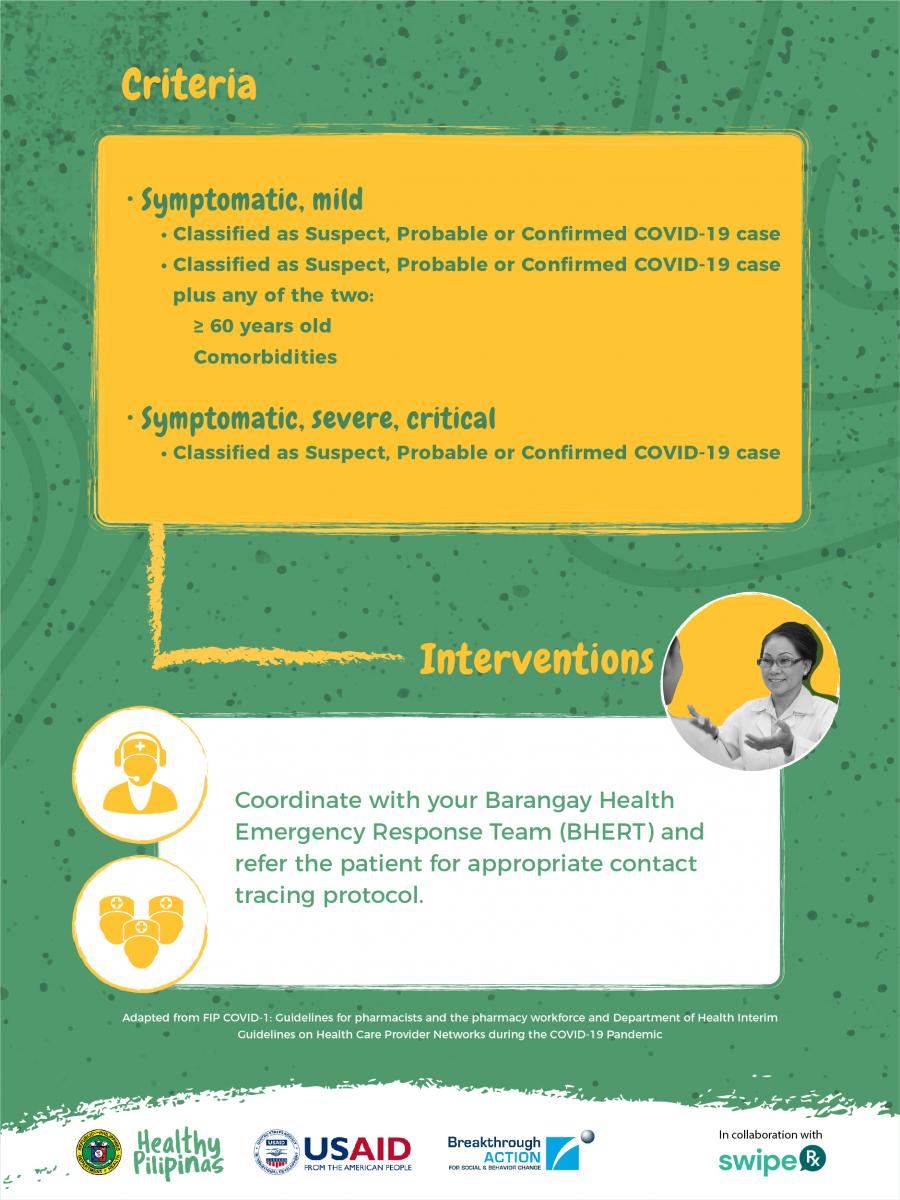
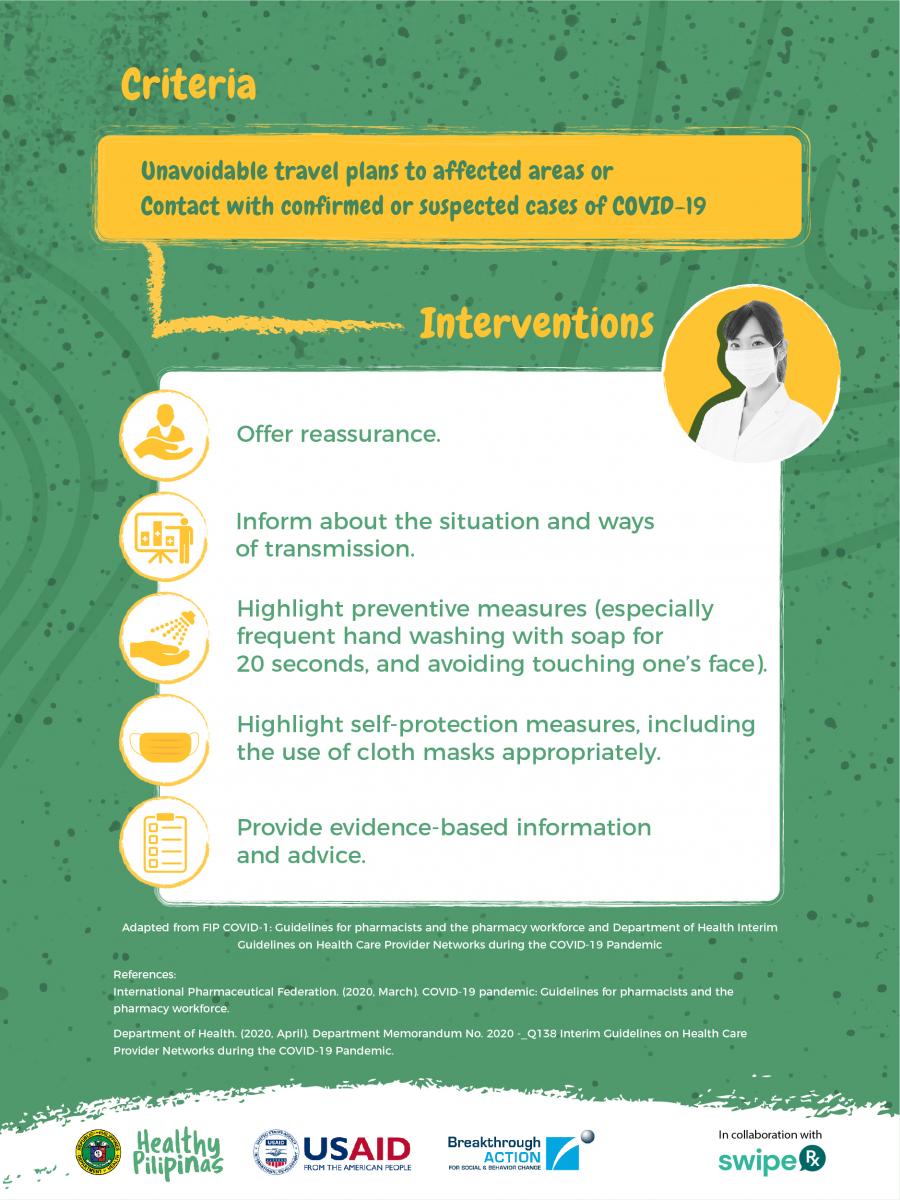
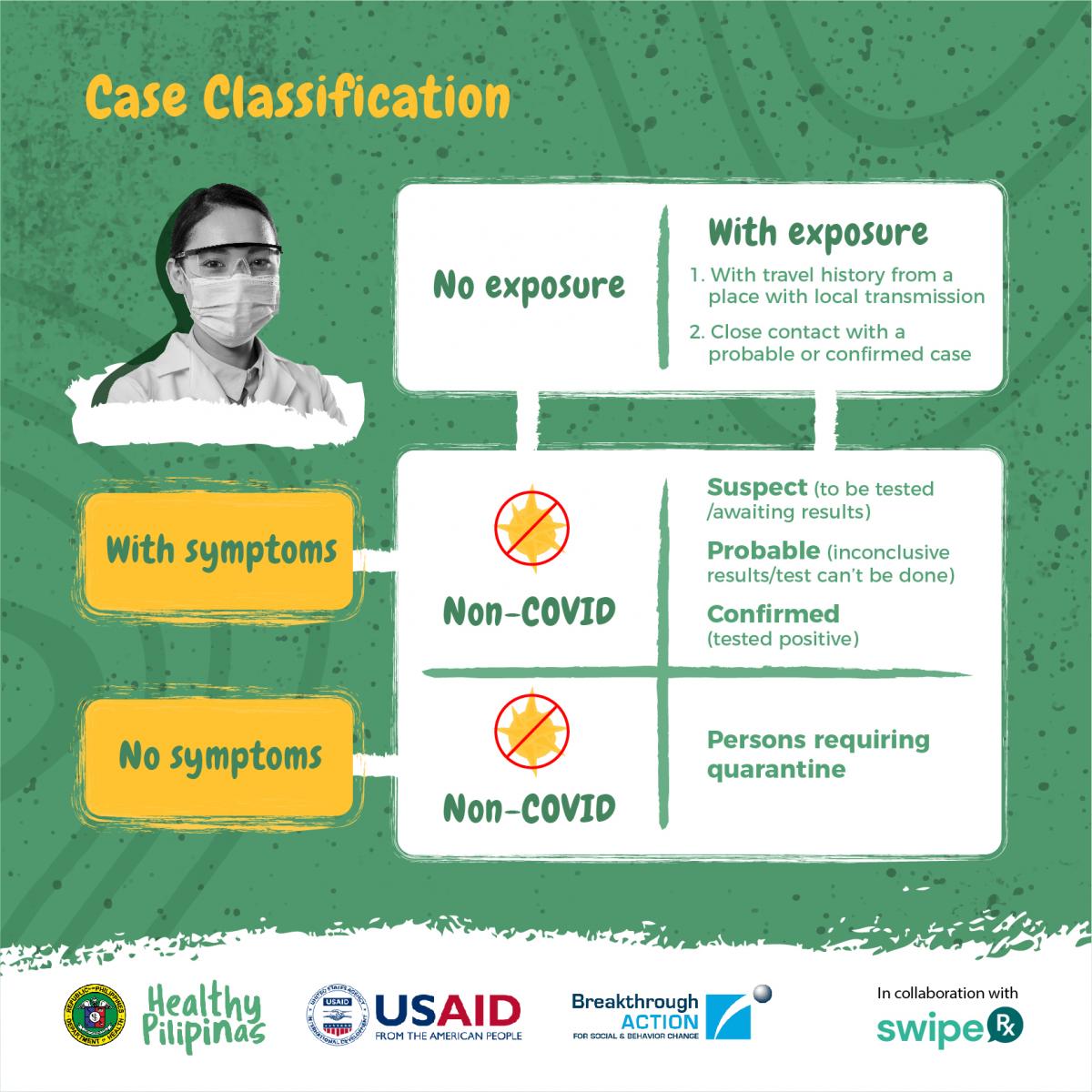
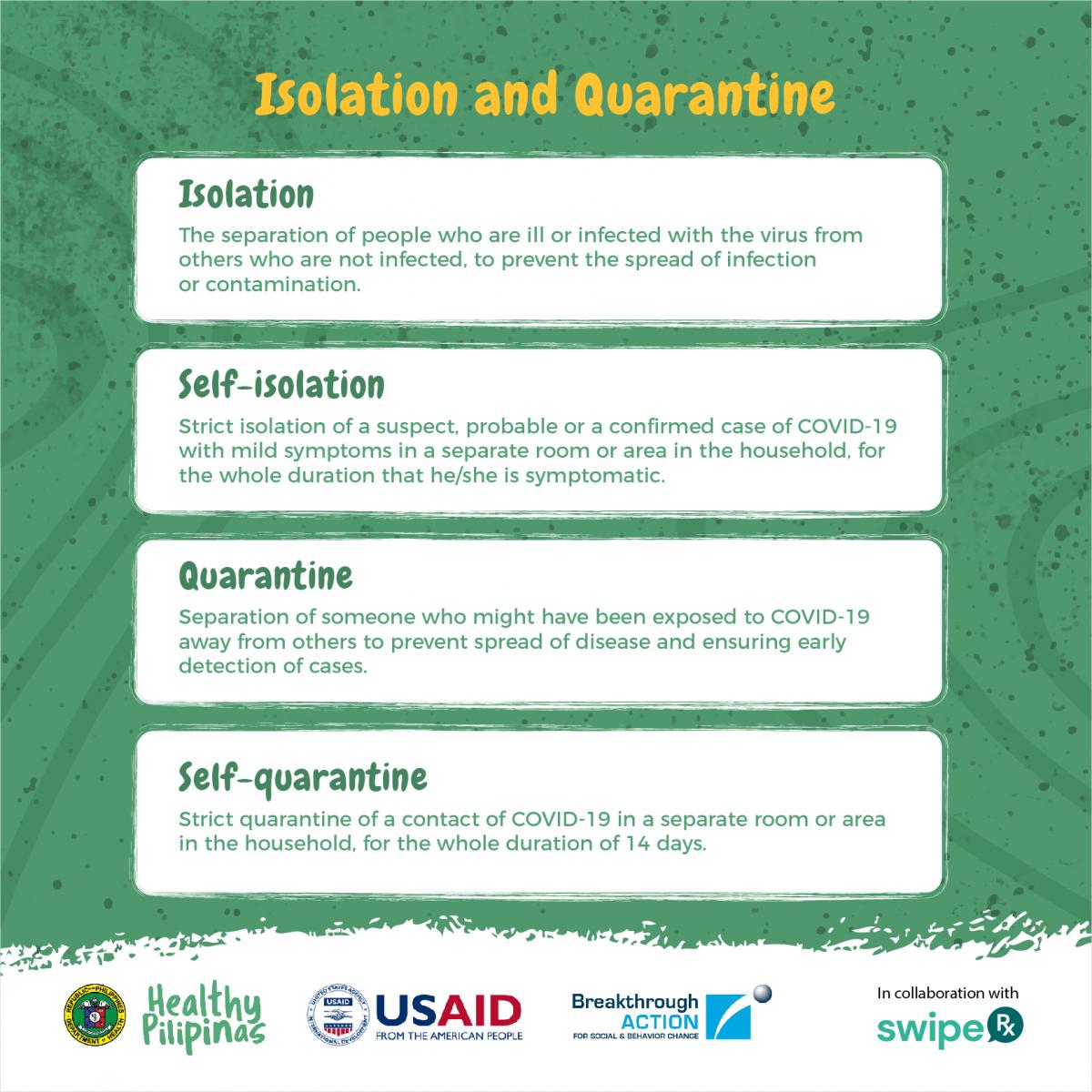
BIDA Solusyon sa COVID-19 campaign is a nationwide campaign that simplifies the citizen’s tasks into 4 letters — BIDA (hero), and encourages them to take an active role in the fight against a common enemy: COVID-19 (the “contrabida”).

The campaign encourages people to #BIDASolusyon (Be The Solution) by following 4 BIDA behaviors:

  • B – Bawal walang mask (Don’t go out without a mask)
  • I – I-sanitize ang mga kamay, iwas hawak sa mga bagay (Sanitize your hand, avoid touching things)
  • D – Dumistansya ng isang metro (Keep your distance of 1 meter)
  • A – Alamin ang totoong impormasyon (Know the right information)

The campaign materials include TV commercial, radio commercial, print materials such as posters, billboards, signages, and decals, newspaper ads, social media cards, broadcaster’s manual, and hygiene kit. The hygiene kit has bath soap, laundry soap, fabric mask, toothbrush, toothpaste, sanitary napkin, shampoo, nail cutter, dishwashing liquid, and BIDA kit bag with BIDA, DOH, and USAID logos.

This campaign was developed and implemented through the collaboration of USAID Philippines, Breakthrough ACTION team, and Department of Health, and in partnership with other public and private partners.

It is a multimedia campaign to maximize reach and enable behavior.

For implementation purposes, there are the following:

The following materials are included in the campaign:

Source: Breakthrough ACTION/Johns Hopkins Center for Communication Programs

Date of Publication: March 16, 2021

Family Planning Promotion Materials, Nigeria

This is a set of leaflets, posters, and job aids about various topics in FP.

Materials are:

  • Birth Spacing – describes the various contraceptive options and how they work
  • I Am Supportive – addresses the role of men in family planning and provides information on contraceptive options available for use after delivery
  • Family Planning/ Childbirth Spacing Z-Card – A long and foldable family planning leaflet that can be use during community mobilisation to provide information about various family planning methods and how they work
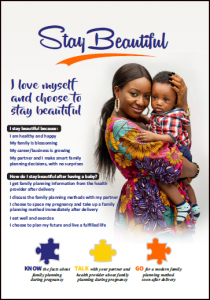
  • Stay Beautiful / My Conscience Guide – A Social and Behavioural Change leaflet that addresses provider bias by highlighting the role of family planning providers in ensuring right based and client centred service provision
  • Lactational Amenorrhea Poster and Leaflet – describe family planning methods for breastfeeding women
  • Post Pregnancy Frequently Asked Questions Leaflet – A compilation of answers to frequently asked questions on family planning and various contraceptives. It also highlights life planning for adolescents and youths and the post pregnancy period.

Source: Johns Hopkins Center for Communication Programs

Date of Publication: November 21, 2020

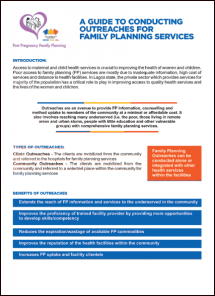
A Guide to Conducting Outreaches for Family Planning Services

Outreaches are a method to provide FP information, counseling, and method uptake to members of the community at a minimal or affordable cost.

It also involves reaching many underserved with comprehensive FP services. There are both clinic outreaches and community outreaches. This guide explains how outreaches work, the benefit of this process.

Source: Johns Hopkins Center for Communication Programs

Date of Publication: November 21, 2020

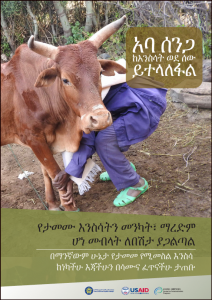
Anthrax Prevention Campaign, Ethiopia

These materials were produced to be aired as part of the Zoonotic diseases prevention campaigns in selected places in Ethiopia.

Radio Spots

The messaging focuses on prevention methods such as avoiding touching, killing and eating of sick looking or dead animals. The spots are available in various languages: Amharic, Afaan Oromoo, and Tigrigna.

Avoid Eating Raw Meat, Spot 1 – Amharic, Afaan Oromoo, and Tigrigna

Avoid Eating Raw Meat, Spot 2, Amharic

Vaccination Radio Spot 1 – Amharic

Vaccination Radio Spot 2 – Amharic

Treatment Radio Spot – Amharic

Prevention Radio Spot – Amharic

Factsheet

Factsheet on Anthrax Prevention – Amharic

This fact sheet provides detailed information and contains key issues such as the causative agent of Anthrax, signs and symptoms both in animals and humans, modes of transmission, prevention methods, and actions to be taken when an animal or human beings get sick. It serves as reference material that can be used by human and animal health service providers, media professionals, teachers, and other stakeholders for effective communication with audiences for a better public health outcome on both animals and humans. Messages on the fact sheet are drawn from the national priority zoonotic diseases message guide. The fact sheet is available in Amharic language.

Brochure

Anthrax Prevention Methods Brochure – Amharic

This brochure provides messages on signs and symptoms for both animals and humans, mode of transmission, and prevention methods of selected zoonotic diseases. The messages are based on the national priority zoonotic disease message guide. It encourages preventive behaviors such as regular vaccination of livestock, avoiding eating and drinking raw animal products, not touching animals that may be sick, and washing hands with soap and water. Literate community members have intended audiences for messages on the material. It is part of a campaign called “Anthrax prevention Roadshow.”

Poster

Anthrax Prevention Poster

This poster is developed to educate the community and encourage them to avoid touching, killing, and eating the meat of sick animals. It also encourages washing hands with soap and water after any contact with animals. The posters can be posted at public places such as health facilities, animal health clinics, schools, and other relevant public places. Messages on the poster are extracted from the national priority zoonotic diseases message guide. The poster is available in Amharic, Afan Oromo, and Tigrigna.

Source: Johns Hopkins Center for Communication Programs

Date of Publication: October 19, 2020

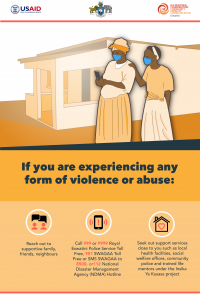
If You Are Experiencing Any Form of Violence or Abuse

This poster targets women and children who may be experience abuse or violence in the home.

The key messages, in English and Siswati, encourage women to reach out to supportive family, friends, or neighbours for support, provide local emergency contact numbers to call, and to seek out locally available support services.

Source: Breakthrough ACTION/Johns Hopkins Center for Communication Programs

Date of Publication: October 4, 2020

Make a Safety Plan for Yourself and Your Children

This poster, available in English and Siswati, targets women and children in Eswatini who may be experiencing violence at home. The key message highlights the importance of having a safety plan if women and children need to leave in a hurry because of abuse or violence.

Steps include identifying a trusted person and place to go, having a plan on how to get there and bringing key personal documents needed. It also provides contact details of local support services available in country.

Source: Breakthrough ACTION/Johns Hopkins Center for Communication Programs

Date of Publication: October 4, 2020

Be Safe In Places Of Worship – English and Siswati

This poster is designed for places of worship to remind congregations of key prevention practices during faith services.

Key behaviors include the importance of physical distancing, wearing a mask, no touching or sharing of objects and handwashing.

Other safety measures reinforce the importance of good ventilation inside, maintaining physical distancing when entering and leaving the worship space, and staying at home when unwell.

Source: Breakthrough ACTION/Johns Hopkins Center for Communication Programs

Date of Publication: September 24, 2020

COVID-19 and Churches: Reminders for Faith Based Settings

These are five reminders for COVID-19 prevention designed for faith-based settings, and all are available in English and Siswati.

The message “Because I care about you” reinforces the importance of maintaining physical distance and wearing a mask while in the market, standing in line, and sitting in a place of worship for everyone’s safety,

Other key messages focus on protecting others by staying at home when sick and the importance of compassion and prayer for a speedy recovery.

The five reminders:

  1. Keeping physical distance: English Siswati
  2. Prayer: English Siswati
  3. Stay home when you feel sick: English Siswati
  4. Sitting far apart: English Siswati
  5. Market: English Siswati

Source: Breakthrough ACTION/Johns Hopkins Center for Communication Programs

Date of Publication: September 24, 2020