
Post-Earthquake Communications Plan
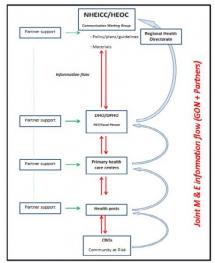
The purpose of this plan, developed shortly after the devestating earthquakes in Nepal in the spring of 2015, is to communicate health risks with communities directly affected by the earthquake in 14 priority districts by focusing on interpersonal communications, dissemination of information, and community mobilization through community volunteers, including frontline health workers and civil society organizations for the immediate six month period May-October 2015.
With 2.8 million people displaced, and many living in crowded temporary shelters with compromised hygiene and sanitary conditions, there was heightened concern about the increase in communicable diseases. Effective communication through community engagement, promotion of hygiene, sanitation and desired behaviors for prevention of diseases needed to be in place as soon as possible, in order to mitigate and minimize the health impacts of the emergency.
In order to prevent possible outbreaks of infectious diseases, disability and exacerbation of public health problems, the communications plan intended to reach communities in selected districts to:
- Communicate health risks among affected populations and actions to be taken to avoid and prevent diseases
- Encourage affected communities to practice key health/nutrition/WASH behaviours
- Mobilize frontline workers, community networks and resources to reach affected populations
- Advocate with district disaster response teams to prioritize health communications in post-earthquake response
Source: Nepal Ministry of Health and Population
Date of Publication: March 25, 2019
SIMILIAR RESOURCES
Tools
Examples
- La Planification Familiale dans les Situations d'Urgence: Essentielle,, Voulue, Necessaire et Realisable
- Zika Virus Global Emergency Response Plan
- Strengthening Preparedness for COVID-19 in Cities and Urban Settings
- SBCC for Malaria in Pregnancy: Strategy Development Guidance
- Promoting Quality Malaria Medicines Through SBCC: An Implementation Kit
- Minimum Standards for Prevention and Response to Gender-Based Violence in Emergencies
- Engaging the Private Sector in Maternal and Neonatal Health in Low and Middle Income Countries

