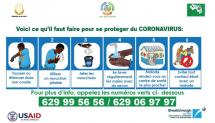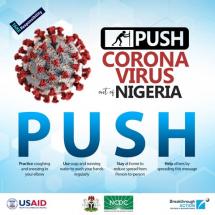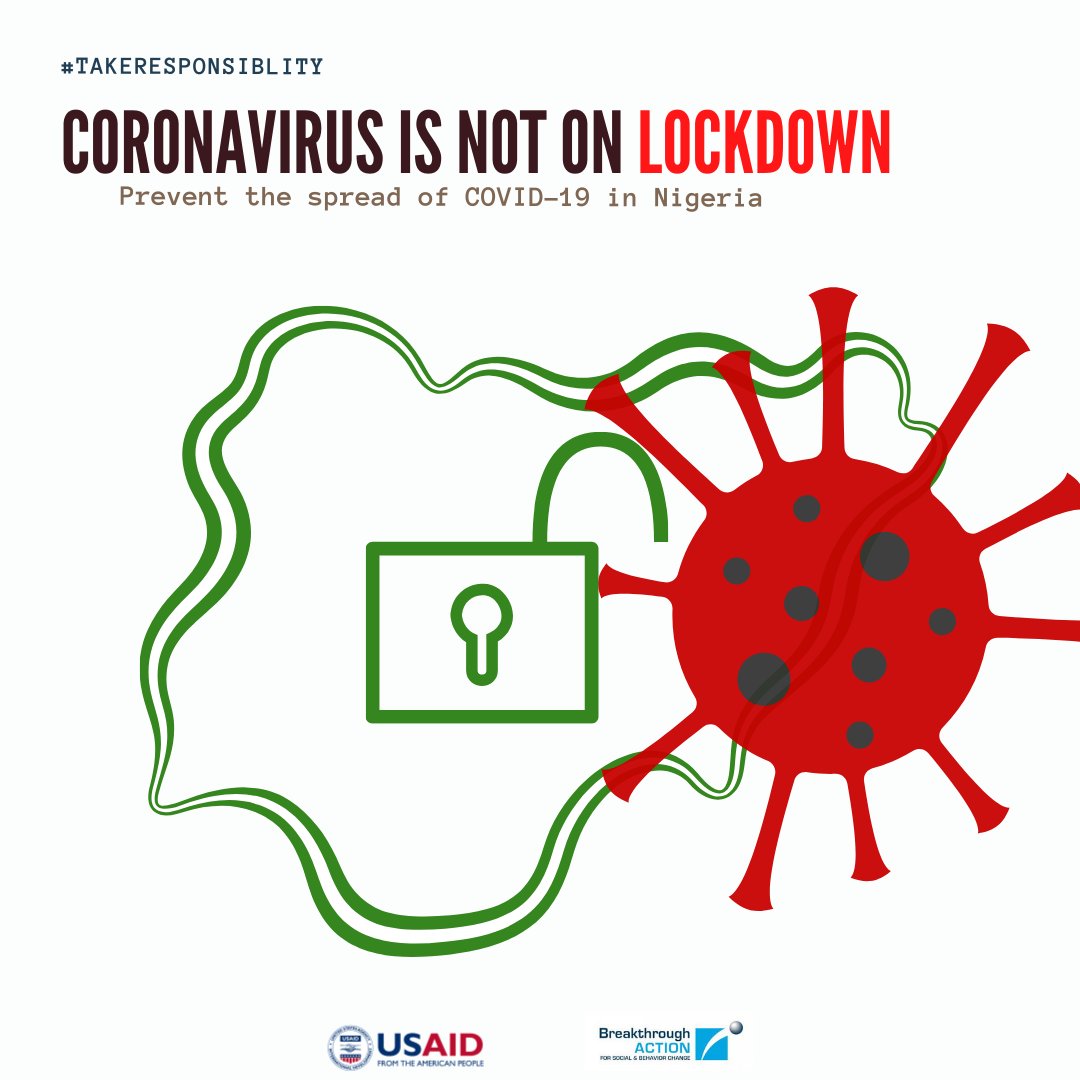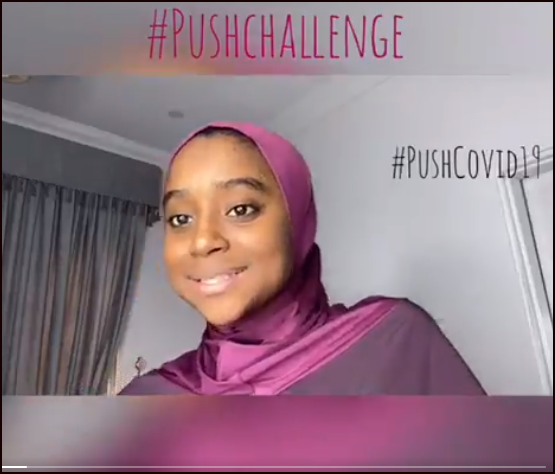

Breakthrough ACTION COVID-19 Guinea

Materials can be found here

Source: Breakthrough ACTION/Johns Hopkins Center for Communication Programs

Date of Publication: June 9, 2020

Aha Ye De Campaign Overview

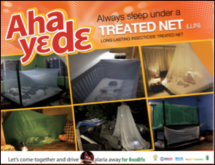
As part of the GoodLife campaign, in June 2011 BCS and ProMPT, in partnership with the National Malaria Control Programme and the Ghana Health Service, launched the new “Aha ye de” malaria campaign. “Aha ye de” means “It’s Good Here” in Twi, one of Ghana’s national languages.

The main behavioral objectives of this campaign are to increase ITN use, improve health seeking behaviors and adherence to ACTs, and increase uptake and adherence to IPTp. The intermediate cross cutting objectives based on the parallel process theory includes increasing the threat perception of malaria while increasing benefit perception of interventions and improved social norms. This campaign also aims to expand the desirability of the ITNs as a lifestyle product, as well as a health product.

Project materials here.

Source: Johns Hopkins Center for Communication Programs

Date of Publication: May 31, 2020

Tasankha Campaign

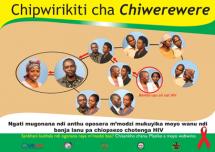
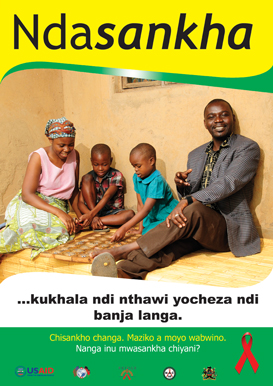
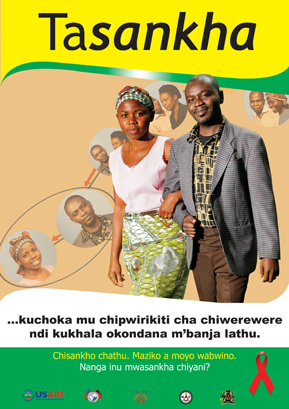
“Tasankha” was a multi-media effort under the BRIDGE II Project, a USAID-funded five year behavior change communication program focused on promoting normative behavior change and increasing HIV preventive behaviors among the adult population in 11 districts in the southern region of Malawi,

The “Tasankha” campaign, specifically, intended to promote family values and positive behavioral choices in addressing Concurrent and Multiple Partnerships (CMP) as key driver of new HIV infections in Malawi. The campaign was intended to help individuals and communities understand that ‘choices’ are central to behavior and facilitate better behavioral choices around HIV prevention.

Selection of materials from the campaign:

Source: Johns Hopkins Center for Communication Programs

Date of Publication: May 26, 2020

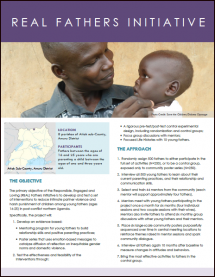
REAL Fathers Initiative

The primary objective of the Responsible, Engaged and Loving (REAL) Fathers Initiative is to develop and test a set of interventions to reduce intimate partner violence and harsh punishment of children among young fathers (ages 16-25) in post-conflict northern Uganda.

The pilot project involved fathers between the ages of 16 and 25 years who are parenting a child between the ages of one and three years old. The scale-up project’s goal was to test a model for scale up of the successful pilot through economic strengthening, child care and development programming integration.

Fact Sheet about the Pilot Initiative

Fact Sheet about the Scale-Up

Source: Institute for Reproductive Health, Georgetown University

Date of Publication: May 14, 2020

SIMILIAR RESOURCES

Tools

Examples

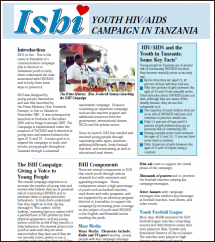
ISHI Youth HIV/AIDS Project, Tanzania

ISHI was a behavior change communication campaign directed to Tanzanian youth to help them understand the risks associated with HIV/AIDS and to help them learn ways to protect themselves. The overall campaign objective was to increase the number of young men and women who believe they are at personal risk of contracting HIV/AIDS and to motivate them to adopt protective behaviors. The key message for ISHI phase II was “You cannot tell by knowing.”

Key outputs were:

  • Radio and TV spots featuring young people with key campaign message
  • Billboards placed in high-density areas in all the ten regions.
  • Print ads that will strategically support the campaign will be placed in newspapers and magazines reaching the youth during the initial phase of the campaign.
  • FEMINA TV. A lively variety show hosted by a dynamic young female presenter will feature “ ISHI Voices from the Field” each week. To reach youth who lack access to television, the show will be dubbed into VHS cassettes and disseminated through YAG/ISHI regional teams.
  • “Duara”, a half hour AIDS-related drama, produced with the University of Dar es Salaam School of Film and Performing Arts will play on national television and in road shows, local festivals and community events.

Project materials included:

Source: Johns Hopkins Center for Communication Programs

Date of Publication: May 11, 2020

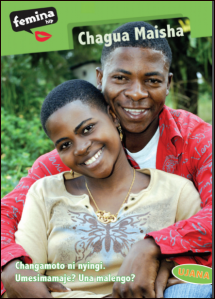
Femina Hip

In 1999 Femina Hip was set up as a civil society organization in Tanzania to foster healthy lifestyles by educating and connecting young people around sexual and reproductive health and rights as well as HIV/AIDS prevention at a precarious time of the epidemic.

To address this reality the project created a multimedia platform to foster knowledge and skills through participatory story telling. In the subsequent years the platform grew adding communication vehicles including TV, radio, print and social media as well as a large outreach program through study clubs in secondary schools.

The Fema TV Show has been on air since 2003, highlighting different themes and campaigns each season. Recorded ‘on the road’ in different locations across Tanzania, this media vehicle provides a dynamic and versatile entry point for Femina Hip to address current issues.

Fema Radio first aired in 2013 and is produced in three month seasons each year. The show’s content is regularly crafted to echo our other Femina Hip agendas that are implemented at the same time. Like all of our other media products, Fema Radio is recorded ‘on the road’ exploring and engaging youth and communities across Tanzania.

Fema Magazine has been produced and printed quarterly for 20 years in Tanzania. It has one of the largest print runs and is one of the most popular and well known magazines in the country. It is distributed to both secondary schools, Folk Development Colleges, local government and civil society partners across Tanzania. The magazine content includes sections on all of Femina Hip’s strategic agendas: Sexual and Reproductive Health and Rights, Economic Empowerment, Citizen Engagement and Youth Connect.

In 2009 the program expanded its life skills agenda and our focus on sexual and reproductive health and HIV/AIDS prevention to include economic empowerment, entrepreneurship, financial literacy, and citizen rights and engagement.

Date of Publication: May 11, 2020

Malaria Safe Initiative

These are materials developed for the Malaria Safe campaign in Tanzania.

<--break->” src=”<a href=

Malaria Safe is a platform that works with the private sector to prevent and reduce the malaria burden on their employees, businesses, and the country by encouraging companies to invest in educating and protecting their staff, families, and surrounding communities against malaria.

Malaria Safe is a platform that works with the private sector to prevent and reduce the malaria burden on their employees, businesses, and the country by encouraging companies to invest in educating and protecting their staff, families, and surrounding communities against malaria. https://thecompassforsbc.org/sites/all/modules/wysiwyg/plugins/break…” title=””>Members of the initiative represent a wide range of private sectors partners committed to investing their own resources in health in order to carry out malaria activities under four guiding pillars:

(1.) Education – Teaching staff and their families about malaria;
(2.) Protection – Making insecticide treated nets, and malaria testing and treatment freely available;
(3.) Visibility – Running malaria campaigns; and
(4.) Advocacy – Inviting other companies to join.

Tanzania’s Malaria Safe initiative has seen tremendous growth from 8 partners in 2012 to 52 partners in 2014. The initiative is overseen by the National Malaria Steering Committee
commissioned by the Prime Minister, and is chaired by the Minister of Health and Social Welfare. The National Malaria Control Program and the Johns Hopkins Center for Communication Programs serve as secretariat.

The attachment includes:

  • Bag
  • Badge
  • Banner
  • Billboard
  • Ad
  • Invitation Card

Source: Johns Hopkins University Center for Communication Programs

Date of Publication: May 3, 2020

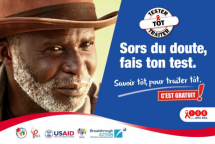
Campagne Tester Traiter TOT

In collaboration with the National AIDS Control Programme, Breakthrough ACTION launched a campaign in March 2020 in the fight against HIV in Côte d’Ivoire. The campaign is intended to improve retention in 31 high-volume priority care sites for people living with HIV in Abidjan.

Breakthrough ACTION will communicate widely about new developments in the fight against HIV that are little known to the general population and to people living with HIV, including the effectiveness of ARVs, which is further strengthened with the introduction of a new high-quality antiretroviral therapy called Tenofovir-Lamivudine-Dolutegravir.”

The campaign will use community radio stations covering the 31 priority sites, social media, popular Abidjan Facebook and web influencers, and health center waiting rooms to create individual and collective awareness and inspire people to practice behaviors to help make HIV manageable and controllable.

Campaign Materials are here.

Source: Breakthrough ACTION/Johns Hopkins Center for Communication Programs

Date of Publication: April 13, 2020