Tikambe

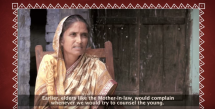
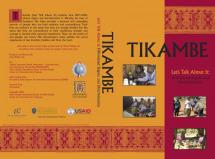
‘Tikambe’ (Let’s Talk About It) is a video which explores how HIV-related stigma and discrimination is affecting the lives of Zambians.

The video provides a personal and compelling portrait of people who are both ordinary and extraordinary. They are average families like any other but they are extraordinary in their candidness, strength and courage to share their deeply personal experiences to help others. These are real stories and those featured are not actors. This documentary video features actual profiles of two Zambia families. It is accompanied by a discussion guide to help facilitate discussion and inform viewers, ideally a group, after the video is watched. This video won a Silver Medal at the New York film festival in 2002.

Source: Johns Hopkins University Center for Communication Programs

Date of Publication: March 25, 2019

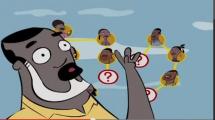
Tuko Wangapi? Tulizana. – Concurrent Partnerships Campaign – Animert 1

Tuko wangapi? Tulizana is a national campaign that aims to address concurrent sexual partnerships as a driver of new HIV infections in Tanzania. The campaign aims to increase knowledge of what a sexual network is and why it is risky, and examine the health, social, emotional and other consequences of concurrency. It encourages the audience to think critically about and discuss their own and their partners’ sexual history and behavior, with the ultimate goal of reducing overlapping sexual partnerships. Key campaign channels include radio and TV spots and interactive programs, print and social media, as well as community outreach.

This is a TV spot from the campaign. The narrator describes the dangers inherent in having concurrent multiple partnerships, and the ensuing risk of HIV infection.

Early evaluation results showed that over 33,000 radio spots aired on 19 stations since the start of the campaign, and over 300,000 community members have been reached through the Tuko wangapi? community outreach toolkit. Quarterly quarterly market research surveys showed that 69% of respondents had seen or heard the campaign, that 58% can correctly complete the phrase, ‘Tuko wangapi?’, and that over 40% of those exposed to the campaign have discussed the campaign with someone else, with friends and sexual partners being at the top of that list. Phase I of the project achieved its goals of increasing knowledge of and communication about what a sexual network is and why it is risky and in increasing personal HIV risk perception– the “Tuko wangapi?” phase of the campaign. As more evaluation results are available, we will update this page.

Source: Johns Hopkins University Center for Communication Programs (JHUCCP), Tanzania Ministry of Health and Social Welfare, Tanzania Commission for AIDS (TACAIDS)

Date of Publication: March 25, 2019

Tuko Wangapi? Tulizana. – Concurrent Partnerships Campaign – Animert 2

Tuko wangapi? Tulizana is a national campaign that aims to address concurrent sexual partnerships as a driver of new HIV infections in Tanzania. The campaign aims to increase knowledge of what a sexual network is and why it is risky, and examine the health, social, emotional and other consequences of concurrency. It encourages the audience to think critically about and discuss their own and their partners’ sexual history and behavior, with the ultimate goal of reducing overlapping sexual partnerships. Key campaign channels include radio and TV spots and interactive programs, print and social media, as well as community outreach.

This is a TV spot from the campaign. The narrator describes risky behavior with concurrent partnerships and the ensuing increased risk of HIV infection.

Early evaluation results showed that over 33,000 radio spots aired on 19 stations since the start of the campaign, and over 300,000 community members have been reached through the Tuko wangapi? community outreach toolkit. Quarterly quarterly market research surveys showed that 69% of respondents had seen or heard the campaign, that 58% can correctly complete the phrase, ‘Tuko wangapi?’, and that over 40% of those exposed to the campaign have discussed the campaign with someone else, with friends and sexual partners being at the top of that list. Phase I of the project achieved its goals of increasing knowledge of and communication about what a sexual network is and why it is risky and in increasing personal HIV risk perception– the “Tuko wangapi?” phase of the campaign. As more evaluation results are available, we will update this page.

Source: Johns Hopkins University Center for Communication Programs (JHUCCP), Tanzania Ministry of Health and Social Welfare, Tanzania Commission for AIDS (TACAIDS)

Date of Publication: March 25, 2019

Tuko wangapi? Tulizana – Concurrent Partnerships Campaign – Animert 3 [TV Spot]

Tuko wangapi? Tulizana is a national campaign that aims to address concurrent sexual partnerships as a driver of new HIV infections in Tanzania. The campaign aims to increase knowledge of what a sexual network is and why it is risky, and examine the health, social, emotional and other consequences of concurrency. It encourages the audience to think critically about and discuss their own and their partners’ sexual history and behavior, with the ultimate goal of reducing overlapping sexual partnerships. Key campaign channels include radio and TV spots and interactive programs, print and social media, as well as community outreach.

This is a TV spot from the campaign. The narrator describes risky behavior with concurrent partnerships and the ensuing increased risk of HIV infection.

Early evaluation results showed that over 33,000 radio spots aired on 19 stations since the start of the campaign, and over 300,000 community members have been reached through the Tuko wangapi? community outreach toolkit. Quarterly quarterly market research surveys showed that 69% of respondents had seen or heard the campaign, that 58% can correctly complete the phrase, ‘Tuko wangapi?’, and that over 40% of those exposed to the campaign have discussed the campaign with someone else, with friends and sexual partners being at the top of that list. Phase I of the project achieved its goals of increasing knowledge of and communication about what a sexual network is and why it is risky and in increasing personal HIV risk perception– the “Tuko wangapi?” phase of the campaign. As more evaluation results are available, we will update this page.

Source: Johns Hopkins Universitiy Center for Communication Programs (JHUCCP), Tanzania Ministry of Health and Social Welfare, Tanzania Commission for AIDS (TACAIDS)

Date of Publication: March 25, 2019

Tuko Wangapi? Tulizana. – Concurrent Partnerships Campaign – The Restaurant [TV Spot]

Tuko wangapi? Tulizana is a national campaign that aims to address concurrent sexual partnerships, or having more than one sexual partner at one time, as a driver of new HIV infections in Tanzania. The campaign aims to increase knowledge of what a sexual network is and why it is risky, and examine the health, social, emotional and other consequences of concurrency. It encourages the audience to think critically about and discuss their own and their partners’ sexual history and behavior, with the ultimate goal of reducing overlapping sexual partnerships. Key campaign channels include radio and TV spots and interactive programs, print and social media, as well as community outreach.

This is a TV spot the campaign. In this spot, a couple is enjoying a romantic meal at a restaurant when the other women with whom the man has had sex begin coming by. Then, the men with whom those women have had sex come by, and soon the table is crowded, the waiter is bringing plate after plate of food, and the girlfriend gets fed up and leaves. The boyfriend then gets the many bills he has incurred as a result of his partnerships and almost faints. The scene then returns to the couple alone, both realizing the value of remaining faithful to one partner only.

Early evaluation results showed thatt over 33,000 radio spots aired on 19 stations since the start of the campaign, and over 300,000 community members have been reached through the Tuko wangapi? community outreach toolkit. Quarterly quarterly market research surveys showed that 69% of respondents had seen or heard the campaign, that 58% can correctly complete the phrase, ‘Tuko wangapi?’, and that over 40% of those exposed to the campaign have discussed the campaign with someone else, with friends and sexual partners being at the top of that list. Phase I of the project achieved its goals of increasing knowledge of and communication about what a sexual network is and why it is risky and in increasing personal HIV risk perception– the “Tuko wangapi?” phase of the campaign. As more evaluation results are available, we will update this page.

Source: Johns Hopkins University Center for Communication Programs (JHUCCP), Tanzania Ministry of Health and Social Welfare, Tanzania Commission for AIDS (TACAIDS)

Date of Publication: March 25, 2019

TV Drama “Sammi”

Hailed by critics and viewers alike, the Pakistani television drama Sammi was called a “stand out” by the English-Language publication The News on Sunday, while the website Hip In Pakistan called it the show “no one should miss.”

Sammi uses engrossing characters and engaging storytelling to raise awareness of social issues and prejudices rarely discussed in mainstream Pakistani society – with the ultimate goal of encouraging behavior change.

Over the course of 21 episodes, Sammi was seen by as many as 3.5 million viewers per airing and an average of 800,000 people have watched each episode on YouTube. The drama depicts the harmful effects of a society that values men and sons over women and daughters. The show confronts issues such as the financial strain and health risks caused by a lack of family planning. It also focuses on the harmful effects on families that prefer sons to daughters, compelling viewers to consider and discuss these deeply rooted but outdated and harmful traditions and customs.

The very first episode confronts vani, an archaic and illegal custom still prevalent in some areas of Pakistan in which a young girl is forcibly married as part of the punishment for a crime committed by her male relatives. Sammi, a young girl living in a traditional village, is horrified when she is given by her family to a man old enough to be her father. While technically illegal in Pakistan, vani is still used in some places and is a stark representation of the value society places on the lives of men over women.

Sammi aired its last episode on June 25, 2017, although it is now being translated from Urdu into three other languages in order to be shown on regional channels. The 21-episode drama was produced by the Johns Hopkins Center for Communication Programs, in partnership with the Center for Communication Programs Pakistan, MD Productions and Hum TV, a 24-hour network in Pakistan. It was supported by the USAID-funded Health Communication Component and the DFID-funded Empowerment, Voice and Accountability for Better Health and Nutrition project.

Source: Johns Hopkins University Center for Communication Programs

Date of Publication: March 25, 2019

Video about Gyan Jyoti

In India, CCP supports rural health workers by connecting them to the knowledge and information they need.

Gyan Jyoti (Hindi for “Light of Knowledge”) is an app that acts as a portable library of family planning materials for health workers to study and share with their clients. This video describes the project and its impact.

Source: johns hopkins center for communication programs

Date of Publication: March 25, 2019

Violence Against Women Series Trailer

A trailer for a TV series about Violence Against Women. In the story, a woman who is continually abused by her husband decides to go to her community for help. She also goes to the authorities and he is served with a protection order. The next time he beats her, she cries for help and the entire community comes to her aid. The police also arrive and arrest him. The trailer ends with the arrest, and the captions tell the audience that the husband is eventually put into prison, where he considers what he has done, and the wife begins to rebuild her life.

Source: Soul City

Date of Publication: March 25, 2019

Watch Out for False Friends!

This animated video, available in English, French, Portuguese and Japanese, explains how counterfeit medications can look exactly like legitimate medication and how the public can easily be fooled in purchcasing medication that will not work and may even harm. or kill, patients.

Source: Fight the Fakes

Date of Publication: March 25, 2019

Date of Publication: March 25, 2019